
Join the plant feast challenge
Buy a seasonal plant you haven’t tried before
January’s the perfect time to update not just your wardrobe, but your fruit and veg haul too. Pick up a box of bittersweet Seville oranges, try a quirky squash variety or add Jerusalem artichokes to your Sunday roast instead of parsnips. This could be the start of a love affair.
Make a fruit and veg gift basket
Give your loved ones a helping hand to reach their plant goals with a basket of fresh fruit and veg. Fill it with wonders from corners of the produce aisle previously unexplored or new varieties of their old favourites. It’ll make a welcome break from another candle.
Build a plant (and protein) conscious breakfast
Getting your protein first thing doesn’t mean grimacing through grilled chicken before you’ve even had a coffee. Done the right way, even a full English can help you on your way to 30 plants. Add extra bean varieties to your baked beans (each one counts as a different plant) or sprinkle mixed seeds over your avo on toast.
DIY veggie preserves
Pickles, chutneys and their briny friends aren’t just a great way to avoid food waste – they add instant tang, crunch and goodness to your dinners too. If time’s short, make a ‘quickle'.
Make the 30-plant lasagne
Upping your plant intake doesn’t mean sacrificing the things you love. Our 30-plant lasagne is proof, with a week’s worth of plants and all the comfort food January calls for in every slice.
Enjoy more jacket potatoes
Potatoes count as a plant variety, which is good news, because we’d happily eat them every day in winter.
Grow your own mushrooms
Order a mushroom-growing kit and you could be adding homegrown fungi friends to a stir fry in just a couple of weeks.
Play with plant-based toppers
Proving that interesting doesn’t equal complicated, even the most basic meals can enjoy a plant-tastic upgrade if you keep a few clever toppers to hand. Think seed-and-nut mixes, crispy onions or the new Cooks’ Ingredients Super Plant Seasoning.
Try creative flavour pairings
Miso and mandarin? Banana and jalapeños? Don’t knock them until you’ve tried them. Many unexpected plant duos share flavour compounds, making them much more compatible than you might expect. If you’re in a rut, set yourself the challenge of a kitchen lucky dip to discover some game-changing combos.
Dig into a plant-filled fakeaway
Get your pyjamas on and snuggle under a blanket: in January, Friday nights are about staying in with soul-nourishing food. From sweet potato katsu to veggie-packed fried rice, all the takeaway heavyweights can be reimagined with extra plant goodness.
Whip up plant-y pancakes
Get ahead with your Pancake Day practice – whether you’re team sweet or savoury, American-style or crêpe, pancakes are the perfect vehicle for loading up on plants. Flip up a batch of crispy Korean-style vegetable pancakes, sweetcorn fritters, or banana hotcakes loaded with nutty toppings.
Swap your spuds
When you’re not inhaling jacket potatoes, try swapping spuds for other root veg like celeriac, parsnips or sweet potatoes.
Go raw
Don’t automatically turn the oven on – there are benefits to eating plants raw, too. Sometimes plants lose nutrients when cooked, while raw veg can have higher hydration levels. They also provide distinctive flavours and textures. Bite into a veg you would normally cook, maybe using a new technique. Spiralised beetroot, perhaps?
Satisfy those comfort cravings
So many classic comfort dishes, from pasta to pies, can be easily tweaked to include a big dose of veg.
Layer up a banging fridge cake
Time for a treat? Fridge cakes can be stacked with as many decadent plants as you can fit in the tin. You can’t go wrong with nuts, oats, dried fruit, dark chocolate and dates – aka nature’s caramel.
Snack on pulses
When that snack attack hits, swap crisps for roasted chickpeas or beans. Slather them in soy sauce, spice mixes or salt and batch-roast to crunch on all week.
Get baking on Blue(berry Muffin) Monday
Science says the third Monday of January is the gloomiest day of the year, but we say it’s the perfect time to take your mind off matters with some baking. Add colour to this dreary day by making blueberry muffins.
Embrace the ‘flip’
Instead of focusing your meals around meat or fish, turn dinner on its head; use a little protein to ‘season’ and add flavour to your veg. Fry a few cubes of pancetta with leafy greens like kale or spinach, add anchovies to a vegetable stew or stir beef into a pea risotto.
Make the most of your Sunday roast
Hands up who spends each week counting down the days to their Sunday roast? It’s also a great chance to set yourself up for plant-goal success before the start of the week. Cauliflower cheese, red cabbage, nut roasts, apple sauce… and, yes, roast beef can still be on the menu.
Batch your bases
You’ll struggle to find a cuisine that doesn’t use a blend of plants as the basis for dishes, each with a distinctive regional flavour. The Italians have soffritto (diced onions, carrots, and celery), while the ‘holy trinity’ (onions, bell peppers and celery) is the foundation of Cajun and Creole cooking. Take inspiration from these winning formulas and batch up some bases for the freezer, so you can get a dose of veg when needed.
Plant-ify your omelettes
Faced with a fridge full of veggies that have seen better days? There’s only one thing for it – an omelette. The humble omelette welcomes any manner of fillings with open arms, transforming them into a fail-safe, high-protein breakfast, lunch or dinner. Add a bit of binding melted cheese if you’re worried about structural integrity, then top with chives, chilli, and any herbs you have going spare.
Wakey, wakey
For breakfast, top porridge with nuts and seeds. Peanuts are a good source of folic acid, almonds and cashews are high in magnesium, and many nuts are a source of thiamin – all support normal psychological function as part of a balanced, varied diet. Seeds can contain small amounts of all three, while nuts such as walnuts are also a good source of omega-3 fatty acids. Mix and match your favourites into your own DIY blend.
Make something with chocolate. (It counts!)
Yes, dark chocolate really does up your plant total – because cocoa beans are technically seeds. Just make sure it’s at least 70% cocoa solids.
Put a plant in a dessert (that’s not carrot cake)
Gooey squash brownies, syrupy parsnip & maple cake, squidgy courgette muffins… Sneaking extra veg into your sweet treats isn’t just a good way to empty the limp remnants of your vegetable
drawer and up your plant intake, but also brings extra moisture, texture and flavour to your creations.
Use up wonky veg
Even vegetables aren’t immune to unattainable beauty standards, creating masses of unnecessary veg waste each year. But imperfect-looking veg have just as much flavour.
Throw a plant party
A challenge shared is a challenge halved: gather your nearest and dearest for a plant potluck, washed down with a veggie-packed mocktail for good measure (try a Virgin Mary).
Root-to-leaf eating
Have you ever had a fried bean pod? Or curried a banana peel? Now’s your chance. Using the whole plant means less waste and could also spark some unexpected cooking inspiration (even if you just start by using unpeeled potatoes and carrots).
Create a ‘house seasoning’
If you’re a condiment connoisseur, why not create your own signature blend by combining your favourite spices, seeds and nuts? It’s tailor-made to your tastes and gives all your meals that distinctive flavour stamp. Before you know it, the whole neighbourhood will be asking for the recipe.
Experiment with new WFH lunches
Step away from the sando you’ve had every day this week and make an occasion of your lunchbreak. Try a 10+ plant soup, using a mix of grains, pulses, spices and veggies.
WHAT IS ‘30 PLANTS A WEEK’ ABOUT?
The concept of eating 30 different plants a week originated with a study from 2018, which showed that increased variety boosts nutrient diversity and supports gut health. As well as fruit and veg, ‘plants’ includes pulses, nuts, seeds, whole grains, spices and herbs.
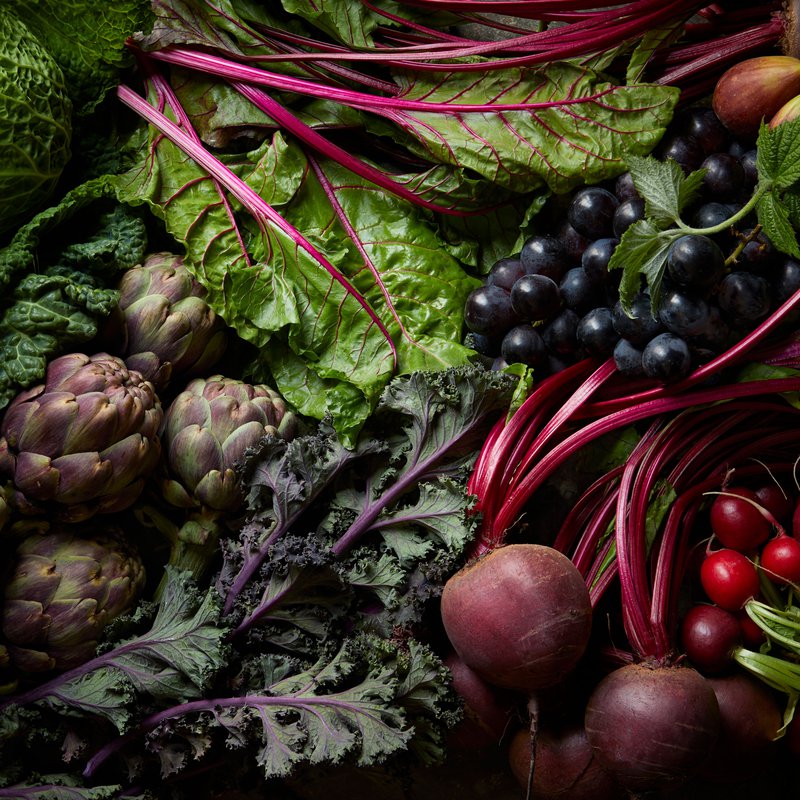
Ideas to boost your vegetable intake”